¡Libérate para viajar!
Free Yourself to Travel
Una reflexión personal sobre la libertad, las prioridades y lo que decidimos dejar atrás.
A personal reflection on freedom, priorities, and what we choose to leave behind.
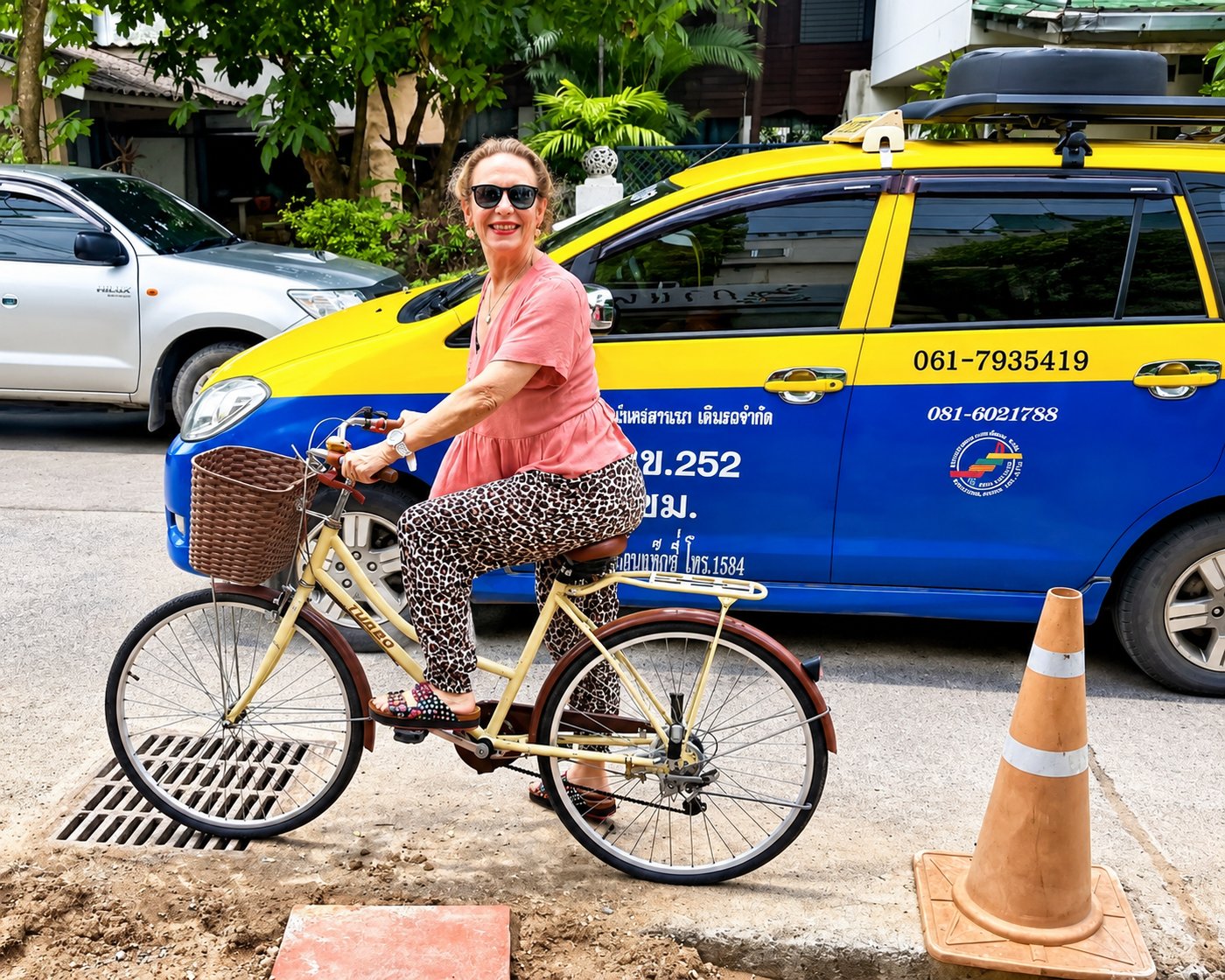
Parece que fue ayer cuando empecé a viajar seis meses al año por obligación… y ahora, al comentarlo en público, las reacciones varían desde la curiosidad hasta la envidia. Pero, en realidad, puede ser más fácil viajar si tienes pocos recursos que si tienes muchos compromisos económicos.
Conversando con algunos amigos que ganan mucho más que yo, pero que rara vez viajan salvo para visitar a sus familiares en otras ciudades españolas, he notado su sorpresa y escepticismo ante la posibilidad de hacerlo económicamente. En mi artículo «Nepal: aprender, vivir y viajar de otra manera» cuento cómo se traduce esa manera de viajar en experiencias concretas.
Aquí quiero adoptar el enfoque contrario: no tanto lo que hay que hacer para viajar durante largas temporadas, sino lo que conviene soltar. En otras palabras: liberarse para viajar.
Lo que decidí no acumular
Una de las diferencias es que no tengo toda una serie de compromisos materiales que mucha gente considera normales. No tengo:
- Niños viviendo en casa.
- Hipoteca.
- Dos coches.
- Dinero reservado en un fondo intocable por principio.
- Un chalet de dos plantas con sus reparaciones y mantenimiento.
- Seguro de vida.
- Ni una larga lista de objetos que no necesito y que requerirían todavía más dinero y atención.
Viendo esta lista, se entiende mejor adónde se va parte del dinero de otras personas. En aquella época, reunir entre 500 y 1.000 euros al mes podía permitirme viajar durante temporadas muy largas. Eran cifras de mi experiencia de entonces, no un presupuesto universal ni una recomendación actual.
Otra manera de organizar la vida
Cuando me describía como una «viajera semiprofesional», algunas personas reaccionaban con dudas: ¿pero qué significa eso? Sin embargo, desde hace años existen profesionales independientes de una ubicación fija y nómadas digitales que trabajan mientras recorren el mundo, especialmente por el Sudeste Asiático.
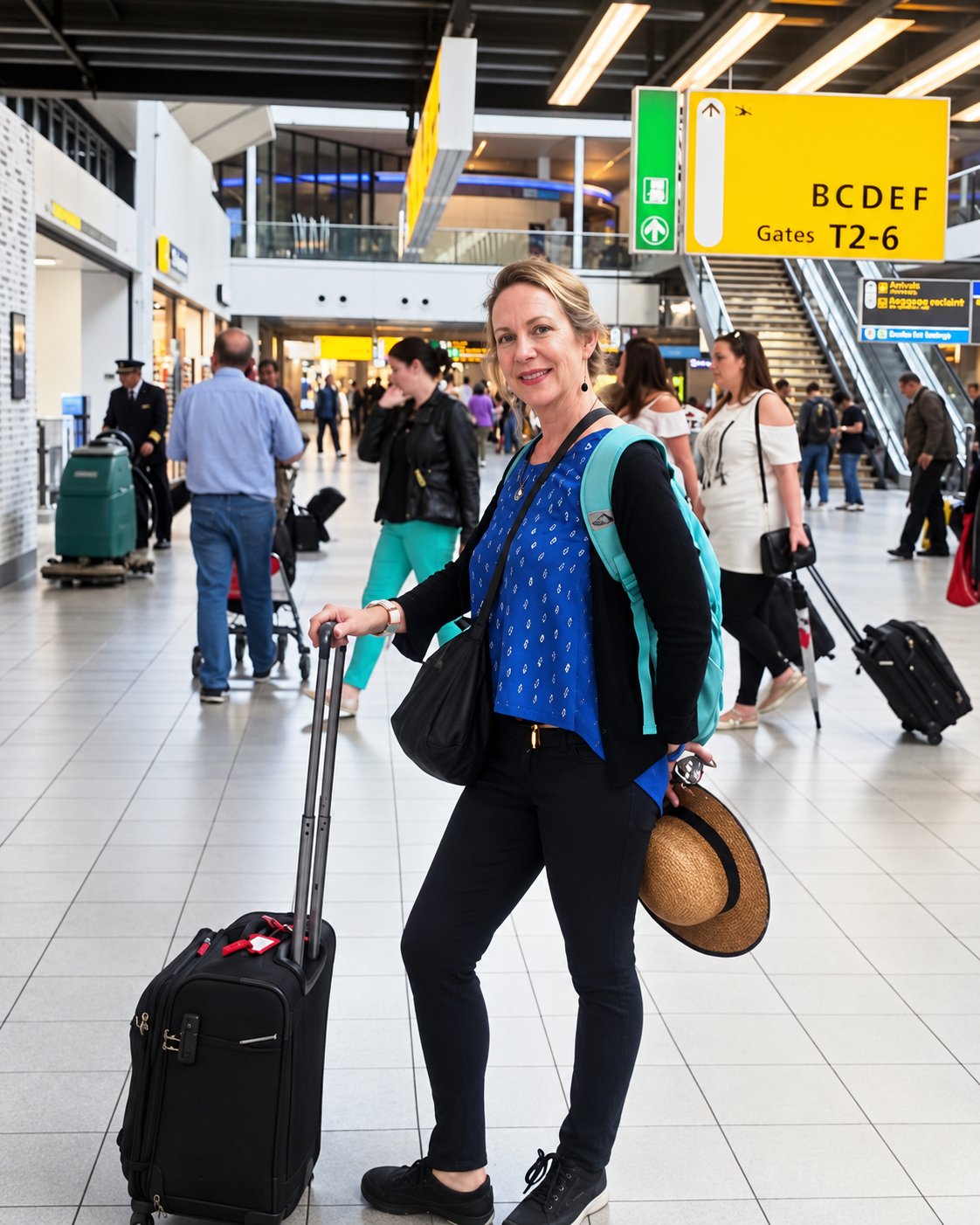
La falta de recursos también trae sus propias dificultades, por supuesto. No pretendo idealizarla. Pero reducir ciertas obligaciones puede ofrecer una libertad que no siempre se consigue acumulando más cosas.
Hay innumerables páginas que explican cómo encontrar ofertas de transporte y alojamiento. Mi reflexión es otra: viajar con un presupuesto limitado resulta más sencillo cuando no hay una gran cantidad de gastos fijos esperándonos en casa. Y, durante mis viajes de aquellos años, muchos lugares de Asia o América Latina resultaban más económicos que Europa.
La libertad de elegir
Quiero terminar con una paráfrasis humorística de un dicho anónimo: bienaventurados quienes pueden desprenderse de lo innecesario, porque tal vez consigan ver más mundo mientras otros permanecen atados al mantenimiento de cuanto poseen.
Si quieres viajar, véndelo todo y sígueme.
It seems like yesterday that I began spending six months of each year travelling—not entirely by choice at first. These days, when I mention it, reactions range from curiosity to envy. Yet having fewer financial obligations can sometimes make long-term travel easier than having a much larger income.
I've talked with friends who earn far more than I do but rarely travel except to visit family elsewhere in Spain. They find it hard to imagine how I manage it on a limited budget. In “Nepal: Learning, Living and Travelling Differently”, I describe what that approach looks like in practice.
Here I want to turn the question around. Instead of asking what we need to do to travel for months at a time, perhaps we should ask what we're willing to let go of. In short: free yourself to travel.
What I chose not to accumulate
Part of the difference is that I don't carry many of the commitments other people regard as ordinary. I don't have:
- Children living at home.
- A mortgage.
- Two cars.
- Money designated as permanently untouchable.
- A large two-storey house to repair and maintain.
- Life insurance.
- Or a growing collection of things I don't need, each demanding yet more money and attention.
Looking at that list makes it easier to understand where other people's money goes. At the time I originally wrote this, a monthly budget of roughly €500–€1,000 could support my extended travels. Those figures describe my circumstances then; they aren't a present-day travel budget or a formula for everyone.
A different way to arrange a life
When I called myself a “semi-professional traveller,” some people raised their eyebrows. What was that supposed to mean? Yet location-independent professionals and digital nomads have long spent years working online while travelling, particularly through Southeast Asia.
Having little money comes with its own difficulties, of course. I wouldn't romanticize that. But freedom from certain recurring obligations can create opportunities that buying more possessions never will.
There are countless websites devoted to finding cheap flights and accommodation. My point is more fundamental: travelling on a modest budget becomes much more feasible when you aren't still paying for a costly life at home. And on my travels in those years, many destinations in Asia or Latin America were less expensive than Europe.
The freedom to choose
I'll finish with a playful paraphrase of an anonymous saying: blessed are those who can do without what they don't need, for they may get to see more of the world while others remain tied to the upkeep of all they own.
If you want to travel, sell it all and follow me.